
Types of glasses - which glass for which drink
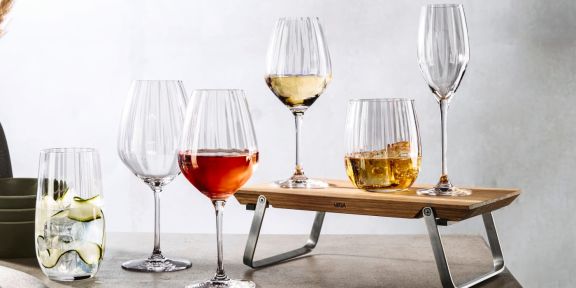
Overview of the most common glass types and their use
There are unwritten rules for the use of glasses in the catering industry. No one would think of serving wine from a beer glass or serving water in a champagne flute. Here we give you an overview of the most important types of glassware in gastronomy.
Table of contents:
- Types of beer glasses
- Types of wine glasses
- Glasses for sparkling wine and champagne
- Types of drinking glasses
- Glasses for schnapps and spirits
- Types of cocktail glasses
Types of beer glasses - from tulips and sticks
Beer is still one of the most popular drinks in Germany. Almost 1,500 breweries produce at least as many different beers. We show you which beer glasses are suitable for which beers. They differ not only in their capacity, but also in their shape.
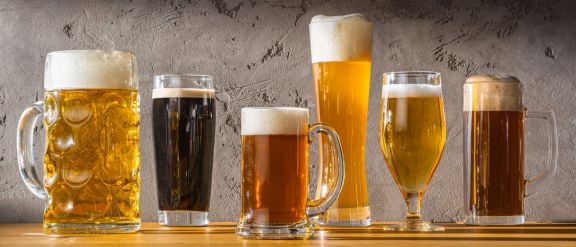
Pilsner glass or tulip
Due to the tulip shape of the goblet, the pilsner glass is also known as the “beer tulip”. With its short stem and rather thin glass, the pilsner glass is very delicate. The typical capacity is 0.33 liters.
The special shape of the Pils glass ensures that the Pils gets a nice crown when the beer is tapped or poured. The pilsner glass often has a collar around the base of the stem when it is served. Pilsner glasses do not necessarily have to have a tulip shape. There are also tall pilsner glasses whose goblet looks like an inverted cone without a tip.Wheat beer glass
The wheat beer glass is thin-walled and tall. However, it has no stem, but a thick-walled base. With a capacity of 0.5 liters, wheat beer glasses are larger than pilsner glasses. Their shape is waisted so that the carbon dioxide bubbles do not rise too quickly and the beer stays fizzy for longer.Beer bar
The beer bar is cylindrical in shape and holds 0.2 liters. The small format is important so that the Kölsch served in it stays fresh for longer. Beer sticks are typically served in a “wreath”. This is a kind of tray with fixtures for the beer glasses.Beer mug
The beer mug, also known as a “beer stein” or “tankard”, is a robust, thick-walled beer glass with a handle. Depending on tradition, it may have a metal hinged lid. Beer mugs are available in many different designs, including with engraving or a relief glass wall. The usual capacity is 0.5 liters for large and 0.33 liters for small beer mugs.Willibecher
The Willibecher is a standardized, rather thin-walled beer glass that is available in various sizes from 0.2 to 0.5 liters. Its shape is narrow. It widens towards the top until it tapers again at the drinking rim. Willi mugs are suitable for serving different types of beer, from pale ale and craft beer to pale ale or pilsner.
In addition to the most common beer glasses, there are of course also special glasses that are mainly used regionally. One of the best known is clearly the beer mug. It holds one liter of beer, has a handle and is made of very robust, thick-walled glass. It prevents the beer from heating up too quickly.

Types of wine glasses - bulbous and narrow, anything is possible
When it comes to wine glasses, there are very different philosophies behind them. The wine glass actually has a significant influence on how the taste and bouquet of the wine develops.
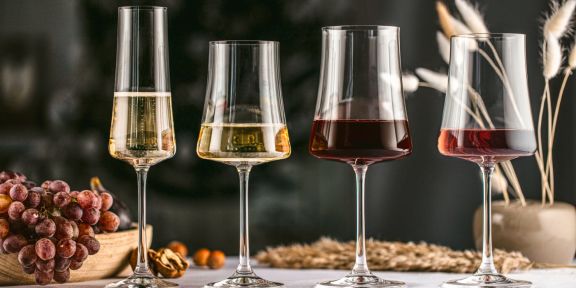
Red wine glasses
Narrow and tall red wine glasses with a less bulbous goblet are recommended to allow the aromas of tannic, strong red wines such as Rioja or Cabernet Sauvignon to develop.
Lighter red wines such as Pinot Noir with a lower tannin content are suitable for bulbous red wine glasses. Large French red wines from the Bordeaux wine region or Italian Chianti also drink best from bulbous glasses.
Chilled red country wine, on the other hand, can also be enjoyed from the typical thick-walled Italian wine glasses.White wine glasses
If light white wines are served, white wine glasses with a slightly smaller capacity, long stem and narrow shape should be used. This prevents the cool white wine from warming up so quickly. Otherwise, the alcohol notes may mask the bouquet. Fuller white wines such as Chardonnay or Sauvignon Blanc can be served in larger, slightly bulbous white wine glasses to allow the bouquet to develop.Rosé wine glasses
Rosé glasses are slightly bulbous and have a long stem. This means that the heat from your hands cannot warm up the chilled wine so quickly. Tulip-shaped white wine glasses are an alternative.
Which types of glass are suitable for sparkling wine or champagne?
Sparkling wines such as sparkling wine, champagne or sparkling prosecco are served at receptions and festive occasions. Typically, these drinks are served in a tulip-shaped, thin-walled, rather elongated glass with a long stem.
The typical shape of sparkling wine or champagne glasses ensures that the carbon dioxide does not escape so quickly and can rise in the center of the glass in a pearl shape.
Less common, but visually very appealing, is the sparkling wine bowl. With its wide opening, it is not really suitable for carbonated sparkling wines. Nevertheless, champagne bowls are used for spectacular set-ups at buffets such as glass pyramids.
Sparkling wine glasses have a maximum capacity of 0.2 liters. In most restaurants, only 0.1 liters of the sparkling drink is served per glass.
Types of drinking glasses
When it comes to non-alcoholic drinks such as spritzers, juices, lemonades or mineral water, drinking glasses are used. They have a capacity of 0.2 to 0.5 liters and can have very different shapes. Wide openings, narrow openings, thick-walled or thin-walled - there is a lot possible here.
We recommend serving carbonated drinks in particular in rather narrow drinking glasses. This prevents the carbon dioxide from escaping so quickly and spritzers, mineral water and tonics stay fizzy for longer.
Glasses for spirits and schnapps
Shot glasses are available in many different designs. What they have in common is the small capacity of 0.02 or 0.04 liters or 2 and 4 cl. This size is standardized in Germany. Shot glasses are available with or without a stem, with thick or thin walls, in cylindrical and slightly bulbous shapes or as shot glasses.
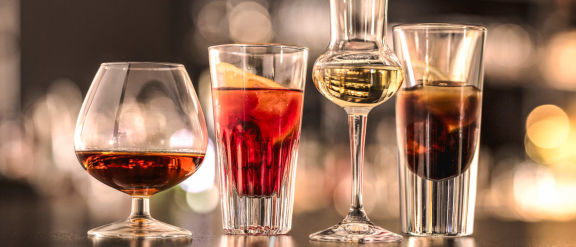
Aperitif glasses
An aperitif is served before a meal and usually involves alcoholic drinks. Glasses for aperitifs are available in many different versions, bulbous, cylindrical, with or without a stem. In addition to classics such as Aperol Spritz, aperitif glasses are also used to serve dry white wines on ice or other mixed drinks.Cognac glasses
A cognac glass is a specially shaped glass used for serving cognac or other high-quality spirits. The glass usually has a bulbous shape and a tapered opening to concentrate and intensify the aromas of the drink.Digestif glasses
These glasses are used to serve schnapps, liqueurs or bitters, which are mainly enjoyed after a meal. Digestif glasses are available with or without a stem. One variant of the digestif glass is the cognac snifter. It has a short stem and a thin-walled, bulbous goblet. It is designed to allow the aroma of the cognac to develop when swirled.Grappa glasses
The grappa glass is a special variant of the schnapps glass. It is used especially for this Italian schnapps or for fruit brandies. It is characterized by the special shape of the goblet. It has a bulbous shape at the bottom and ends cylindrically at the top. This allows the flavor of the pomace brandy to develop to the full.Shot glasses
These small shot glasses are also called Stamperl. They can be used to present fruit brandies as well as yeast schnapps or real “shots”.Whiskey glasses
Typical whiskey glasses are usually tumblers. These glasses made of crystal glass with engraving are particularly elegant. The thick base ensures that the whisky remains at the desired drinking temperature.
Types of cocktail glasses and glasses for long drinks
Especially for cocktails, there are glass shapes that can deviate from the usual. Mugs made of stainless steel or ceramic are very much in vogue as an alternative to glasses. But there are also real “classics” such as the Martini glass. Fine cocktails with champagne or creamy cocktails are presented in a cocktail bowl. It is similar to the martini glass, which looks very elegant, especially with its long stem and wide conical goblet.
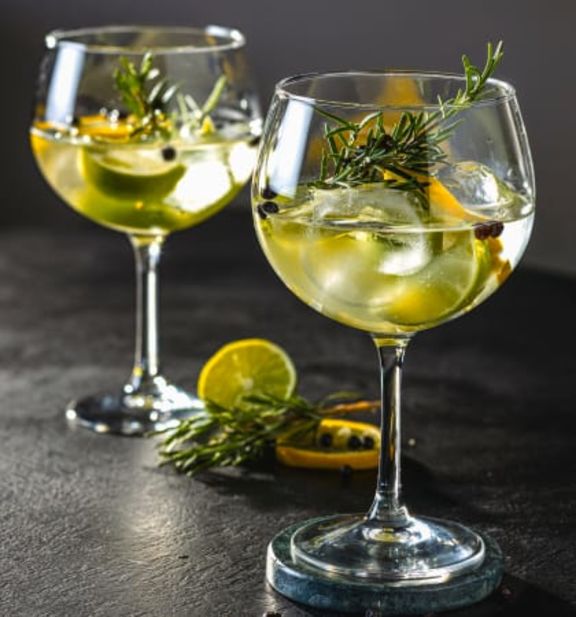
- Gin and tonic glasses
These glasses are similar in shape to red wine glasses, but have a larger capacity and a slightly thicker glass wall. The glass shape is ideal for serving gin on ice or gin mixed with tonic water and other mixed drinks.
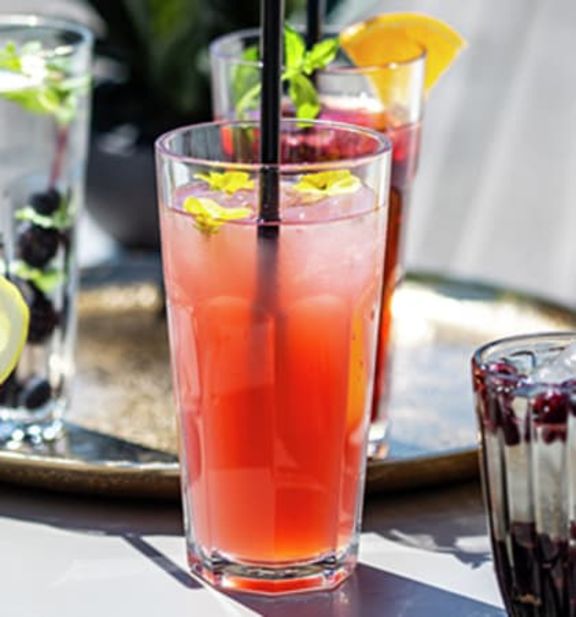
- Long drink glasses
Typical long drink glasses for mixed drinks such as Campari Orange, Rum Cola and others are cylindrical and have a thick base. The rather narrow glasses are also suitable for simple cocktails such as mojitos or mixed drinks such as Cuba Libre. The capacity of long drink glasses can be between 0.3 and 0.4 liters. In principle, long drink glasses can also be used as cocktail glasses. However, so-called fancy glasses are also used to present cocktails in an even more appealing way. They have curved shapes and are ideal for classics such as coladas and fruity cocktails.
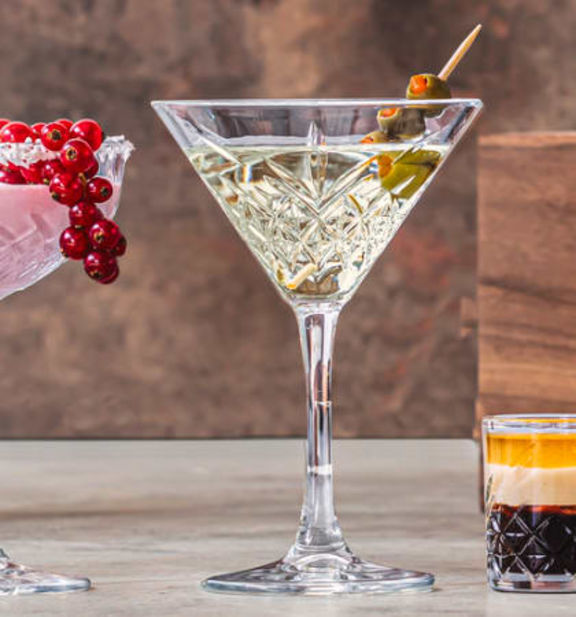
- Martini glasses
With their wide goblet and fine stem, these glasses resemble a champagne goblet. The glass shape is perfect for serving martinis on ice or a vodka martini with the typical olive. Martini glasses are also popular for cocktails such as Cosmopolitan or Manhattan.
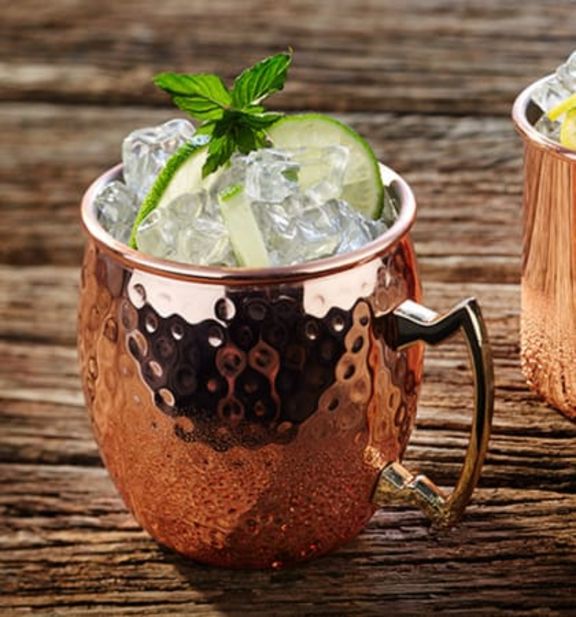
- Moscow Mule mug
The copper cocktail mug was created especially for the cocktail of the same name. Today, various cocktails are served in them. The cup has the great advantage that it keeps the drink cold for a long time and fruity cocktails stay cool for longer.
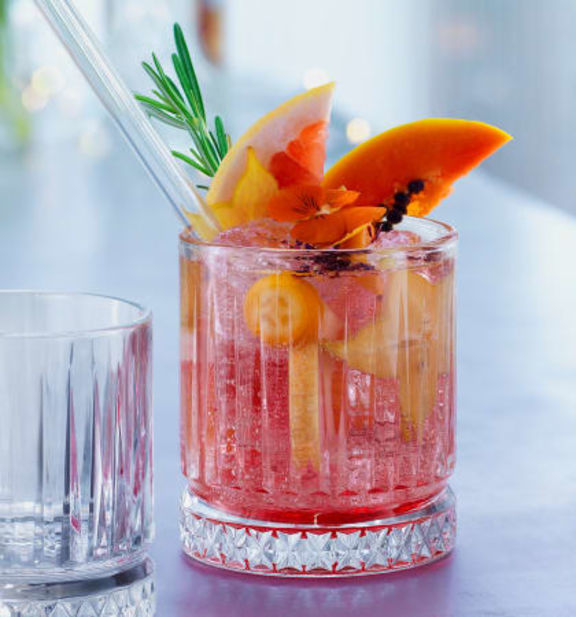
- Tumbler glasses
The classic tumbler has a cylindrical shape and a thick glass base. This keeps whiskies and other spirits as well as mixed drinks on ice chilled for longer. Crystal glass tumblers with engraving are particularly elegant. Whisky, gin, rum or even a sophisticated cocktail are a real treat. Spirits can be served in tumblers with or without ice. In the LUSINI online store, you can choose the right glasses for your restaurant, bar or home bar from a very wide selection of classic engraved crystal glass tumblers and modern bulbous, more delicate tumblers.
What other types of glasses are there?
Not only cold drinks can be served in glasses, but also hot drinks. To round off our glassware list, we would like to mention coffee glasses and tea glasses. These types of glass are characterized by their high heat resistance. After all, hot drinks need to be able to be poured at high temperatures. Tea glasses are more delicate than coffee glasses. The latte macchiato glass is a special type of coffee glass. It provides a clear view of the three layers of the “latte” and thus ensures a particularly attractive presentation of this coffee specialty.
With LUSINI, you have the opportunity to immerse yourself in the variety of popular, trendy and classic types of glassware. Here you will find our range of high-quality glasses in proven horeca quality.